Stop Guessing Your UV Curing Time
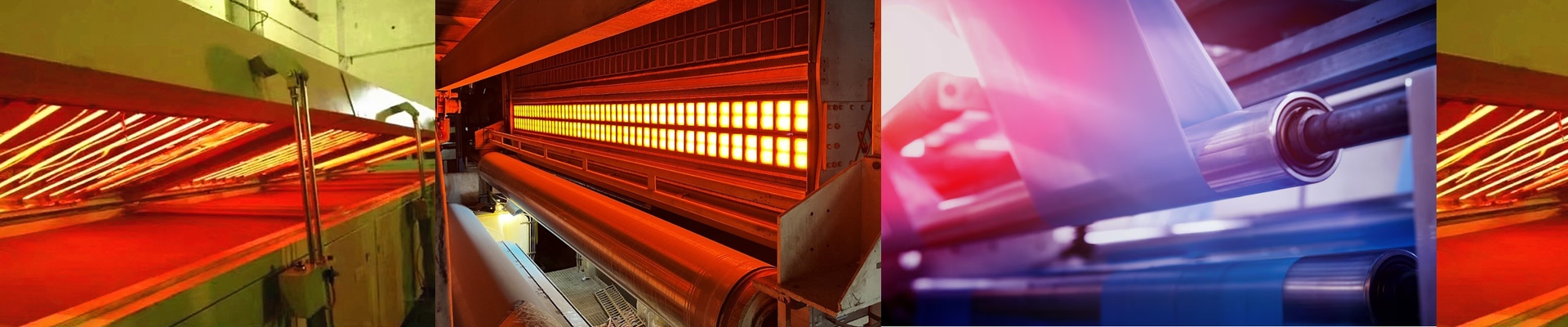
Ever had a batch of parts come off the line only to find they’re brittle or have that ugly yellow tint? That’s what happens when you over-cure. On the flip side, if you under-cure, your adhesives just don’t hold. It’s a tightrope walk. That’s why we use curing time recorders. They keep a close eye on exactly how much UV hit your product and for how long, so you don’t have to cross your fingers and hope for the best. It’s more than just a stopwatch A lot of people think these recorders just track seconds. They don’t. They’re actually watching the intensity—the $\text{W}/\text{cm}^2$—across the whole belt. Here’s the thing: your lamps age. Reflectors get dirty. If your UV output drops but your belt keeps moving at the same speed, you’re going to have problems. We set these sensors up to match your specific setup, whether you’re using old-school mercury vapor or new LED arrays. Taking the guesswork out of the line When you hook these units into your PLC, the system starts thinking for itself. If the recorder notices the energy density dipping, it can just slow the conveyor down automatically. This keeps the total dose ($\text{J}/\text{cm}^2$) exactly where it needs to be. No more “thumb-tests.” No more manual peel tests. Just hard data telling you the job is done right. The tricky part Now, these sensors are sensitive. Really sensitive. If you mount them too close to the lamps, they’ll fry. Too far, and the readings are useless. You’ve got to find that “sweet spot” inside the oven. And don’t forget to recalibrate them. If a sensor drifts by even 10%, you’re looking at a pile of uncured scrap and a lot of wasted money. Our promise We’re confident in our systems. If our lamp configurations can’t match the performance of the big-name brands you’re using right now, we’ll give you your money back. Simple as that.