

Why Most Industrial Halogen Lamps Fail (And How We Fixed It)
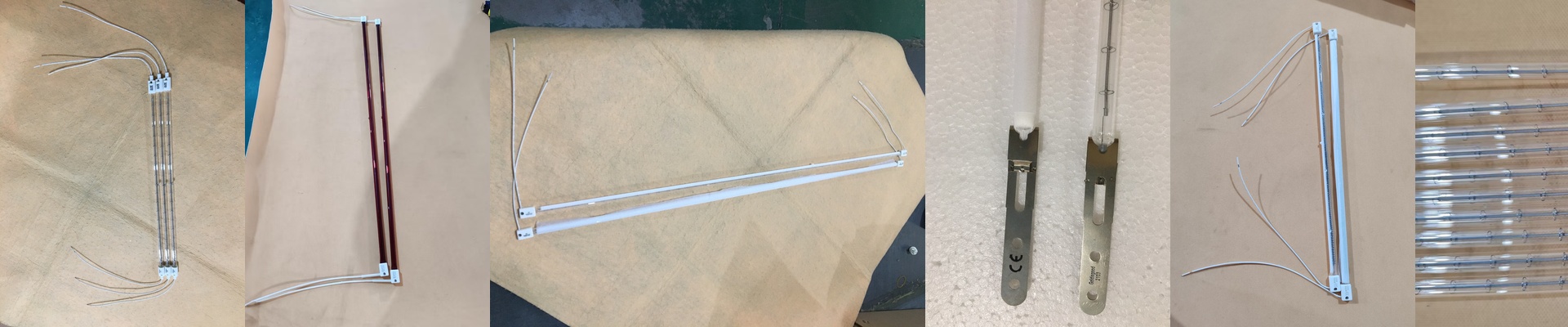
We spent some time getting our boots on the ground, visiting about 2,000 spray coating shops. We wanted to see exactly where these infrared lamps were giving up the ghost. Turns out, most “industrial” bulbs aren’t actually built for the chaos of a real production line. They can’t handle the specific chemicals or the constant swinging between freezing and scorching heat. So, we took everything we learned from those shops and rebuilt our bulbs from the ground up.
The trick to power and voltage
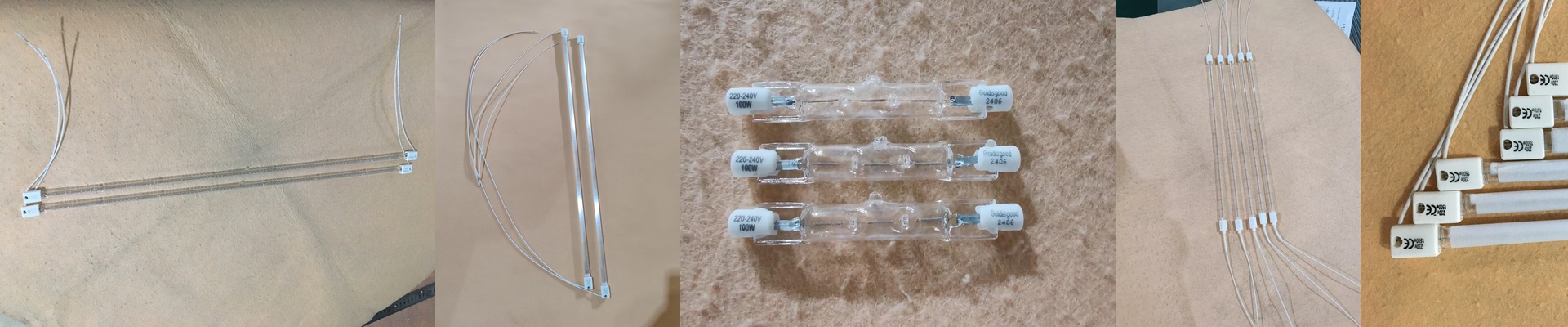
If you want paint to cure fast, you need heat density. But here’s the thing: it all comes down to the relationship between voltage and the length of the tube. Running a lamp at 400V instead of 230V completely changes how the filament behaves. Higher voltage lets us cram more wattage into a shorter tube without blowing a circuit. The result? A tight, concentrated heat footprint. If you try to push high wattage through a tube that isn’t spec’d for it, the filament starts to sag. That creates hot spots, and before you know it, the bulb is dead.
Quartz, Halogen, and the “Secret Sauce”
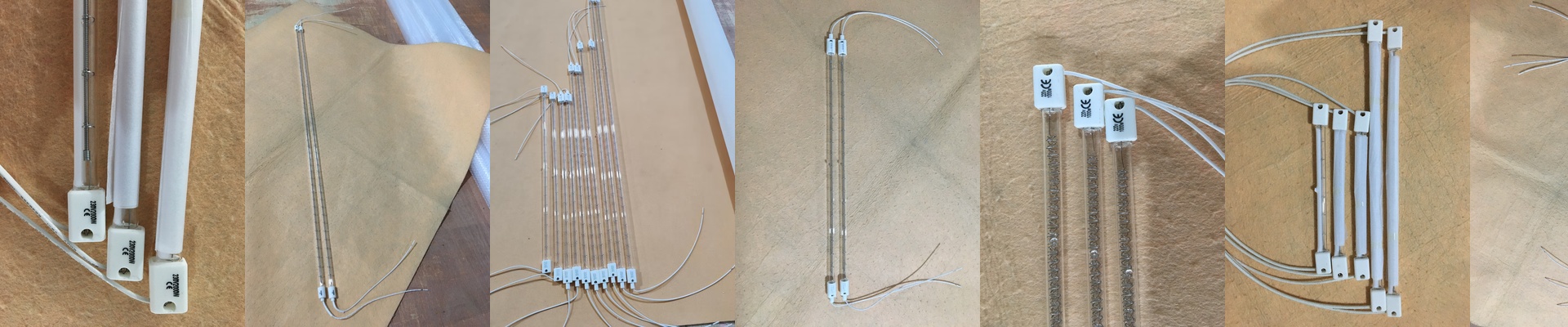
We use high-purity quartz for the envelopes. Inside, the halogen cycle keeps the tungsten from sticking to the glass. This is why the light stays steady for thousands of hours instead of dimming out. But for spray booths, we go one step further. We add a special coating to the quartz. It shifts the heat spectrum so it actually sinks deep into the paint layers. It’s a lifesaver because it cures the base coat without scorching the surface.
Getting them installed (and keeping them alive)
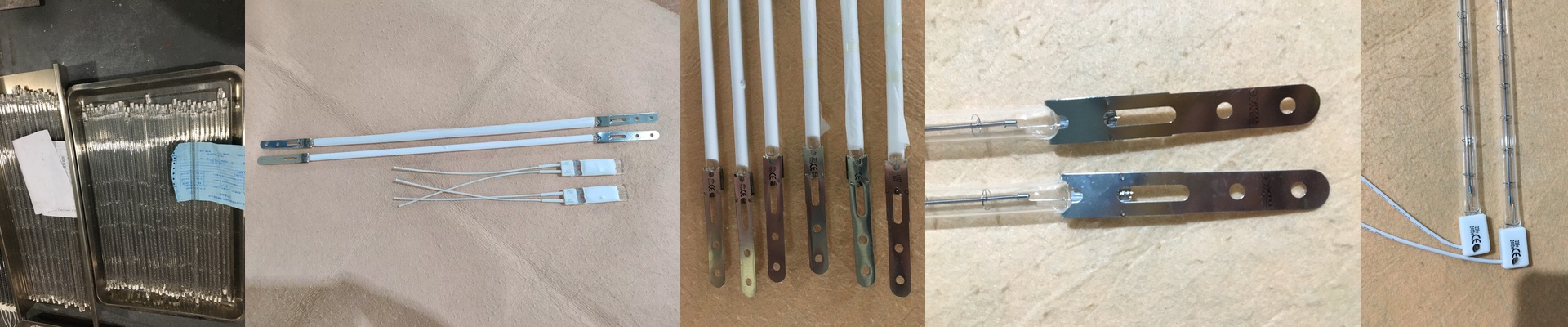
We didn’t want to make your life harder with weird wiring. We stuck with standard R7s or Sk15 connectors. You just pop the old one out and drop the new one in. Simple. Just a heads-up, though: these lamps getintense. If your reflectors are pitted or your cooling fans are choked with dust, the glass will overheat and actually start to soften. Keep those reflectors clean. If the heat doesn’t go into the part, it goes right back into the lamp housing—and that’s a quick way to kill a perfectly good bulb.