Getting the Heat Right: IR Lamps for MS JP7 Systems
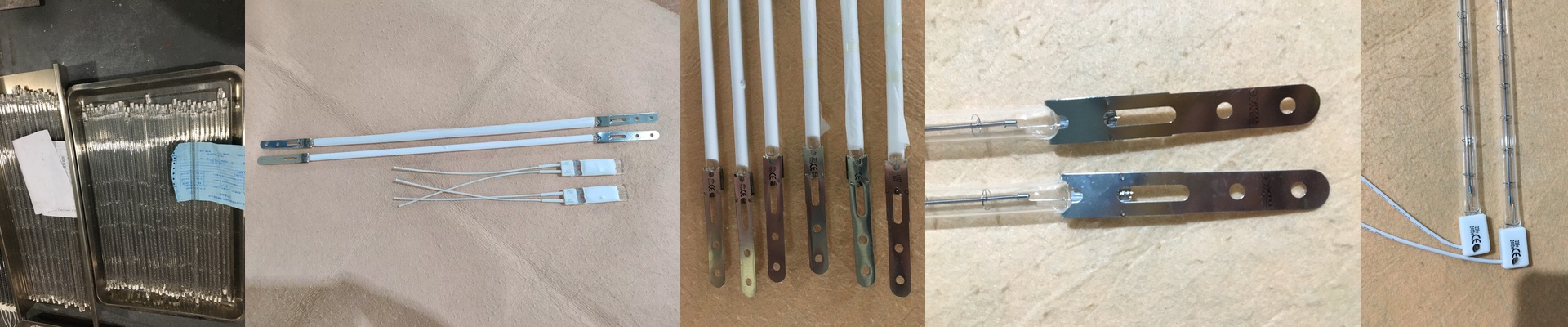
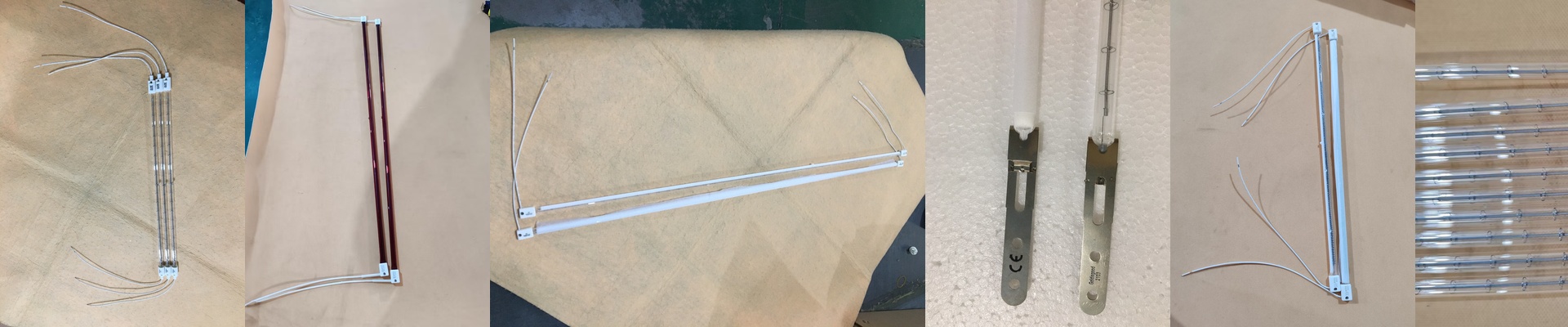
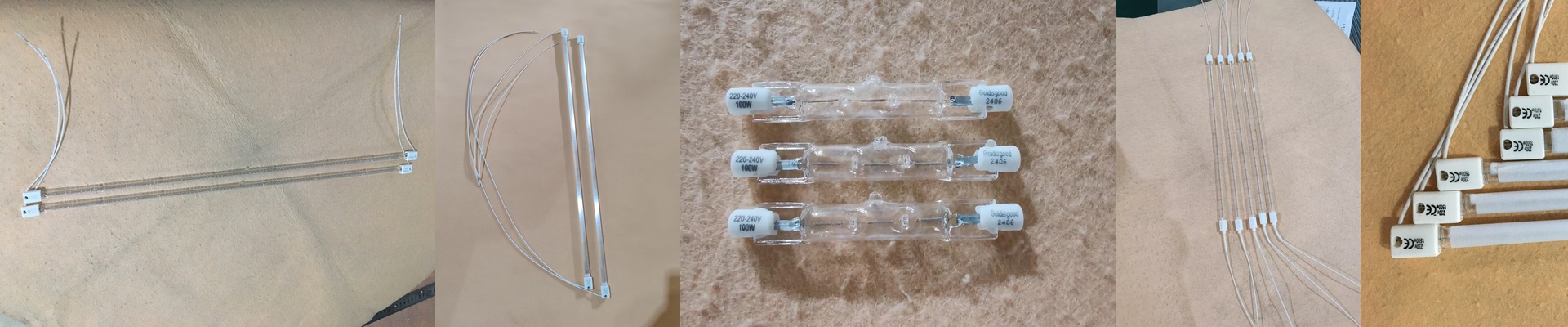
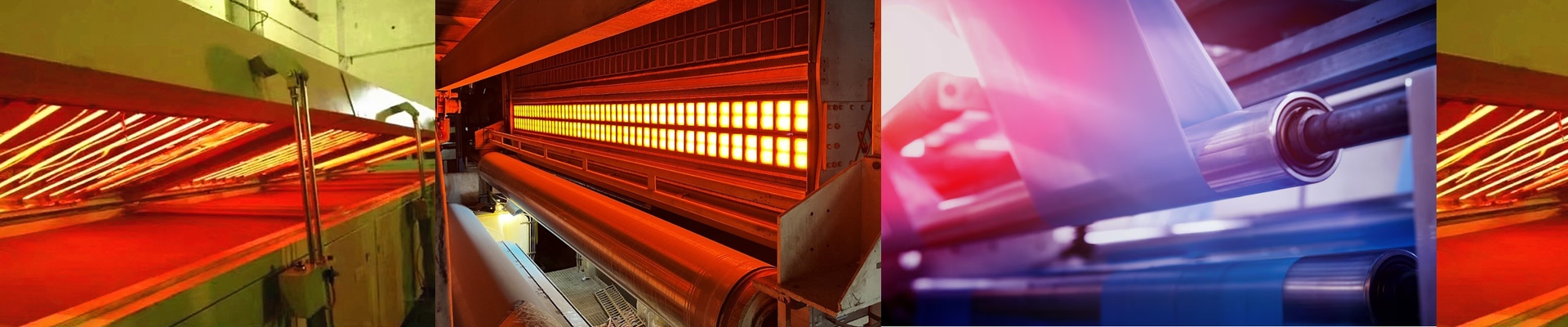
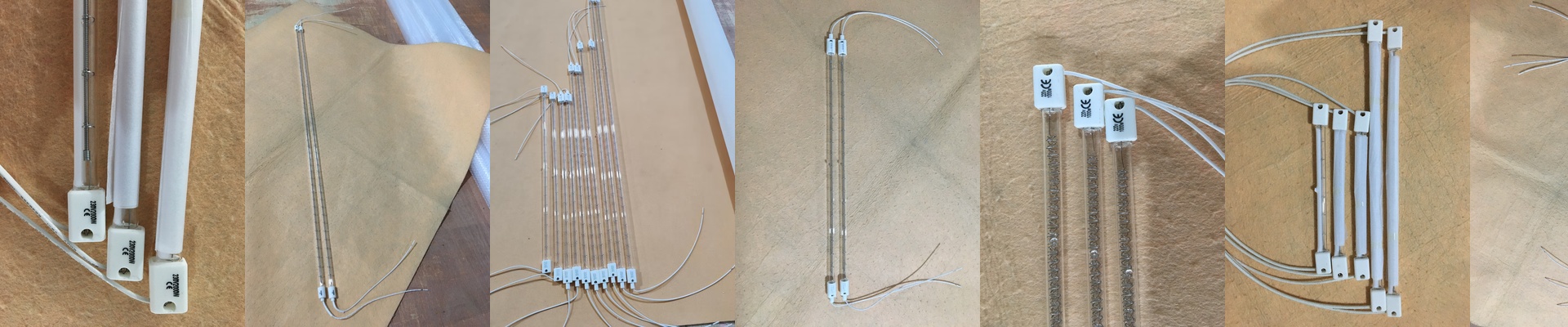
Moving from old-school spinning to smart dyeing is a big jump. The biggest hurdle? How you handle the heat. For the MS JP7, we don’t look at the infrared (IR) lamp as just a heater. It’s more like a digital tool. It needs to listen to the PLC and react instantly, keeping the temperature exactly where it needs to be while the fabric is flying by. The Power Struggle You have to get the wattage and voltage just right. Too low, and you aren’t hitting your temps. Too high, and you’re burning your fabric. We use high-density quartz tubes because they push heat into the fibers fast. The perk of a high-wattage lamp is that it ramps up quickly, which means your heating tunnel doesn’t have to be a mile long. But here’s the catch: these tubes are power-hungry. If your wiring and breakers aren’t up to the task, you’re going to deal with annoying trips every time you start the machine. It’s a headache you just don’t need on a Tuesday morning. The Science Bit (Made Simple) To keep these things from burning out during constant cycling, we use halogen-filled quartz glass. It just lasts longer. We also add specific coatings to the glass. Why? Because we want the energy to sink into the fabric, not just waste away into the air around it. And since nobody likes spending their entire maintenance window rewiring a machine, we use standard connectors. You just pop the old one out and drop the new one in. Simple. Making it “Smart” This is where it gets cool. By pairing the lamp with an infrared pyrometer, the system actually “sees” what’s happening. It’s a constant conversation. If the line slows down, the lamp dims. If the fabric gets thicker, the power kicks up. You don’t get that annoying lag you find with old steam or hot-air ovens. It just works. One last thing—don’t forget your cooling system. These lamps put out a lot of ambient heat. If you don’t vent that properly, your control electronics will cook, and then you’ve got a real problem on your hands.