Stop Wasting Heat: The Secret to Faster Textile Dyeing
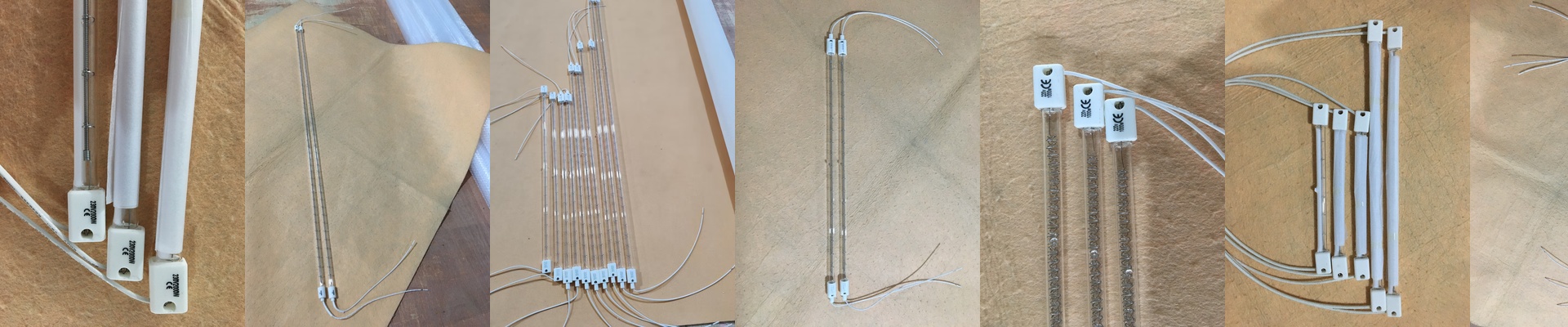
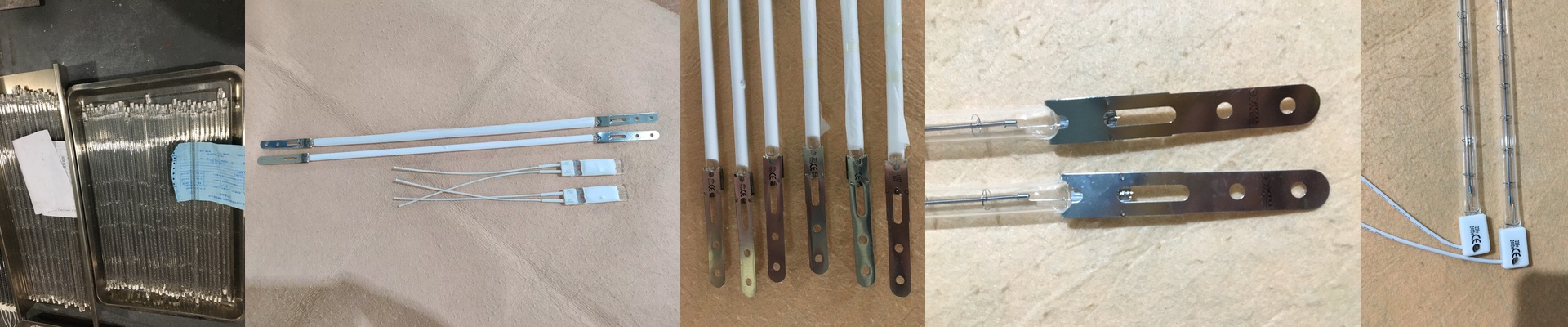
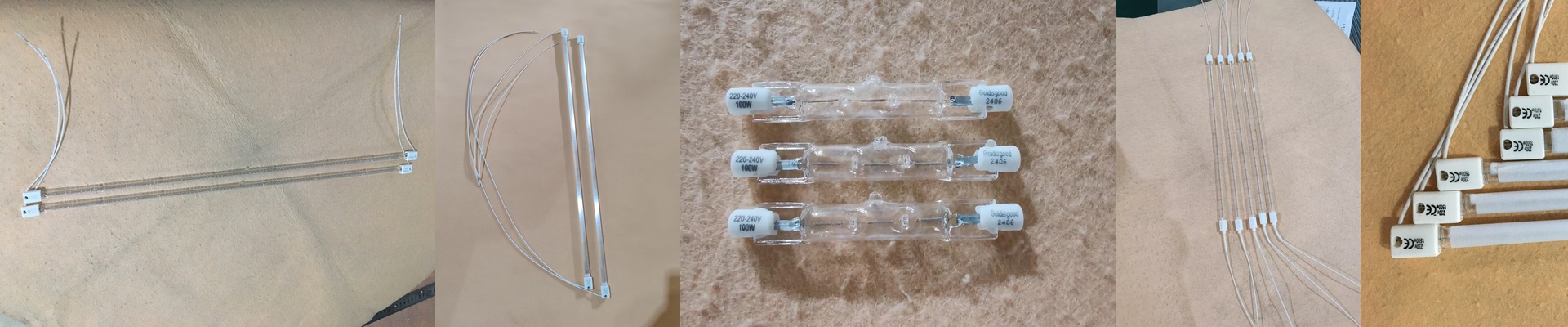
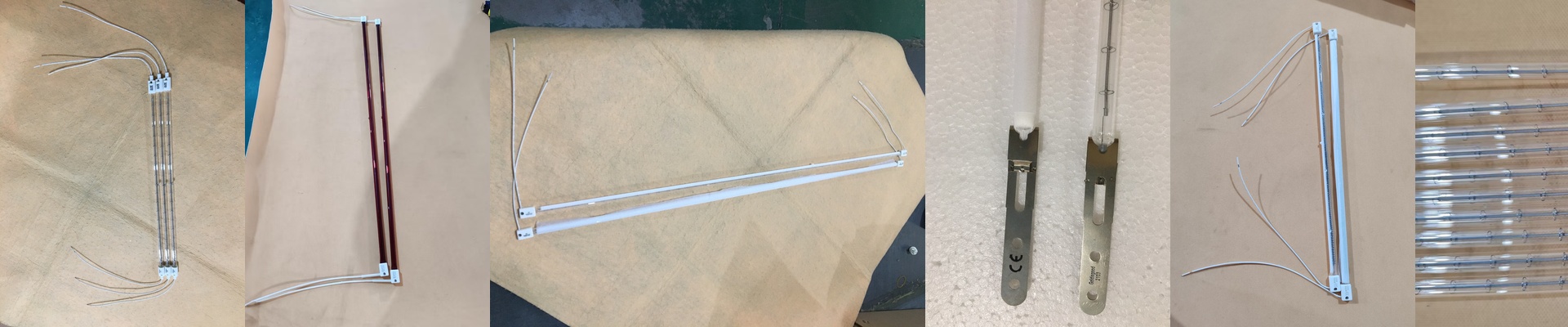
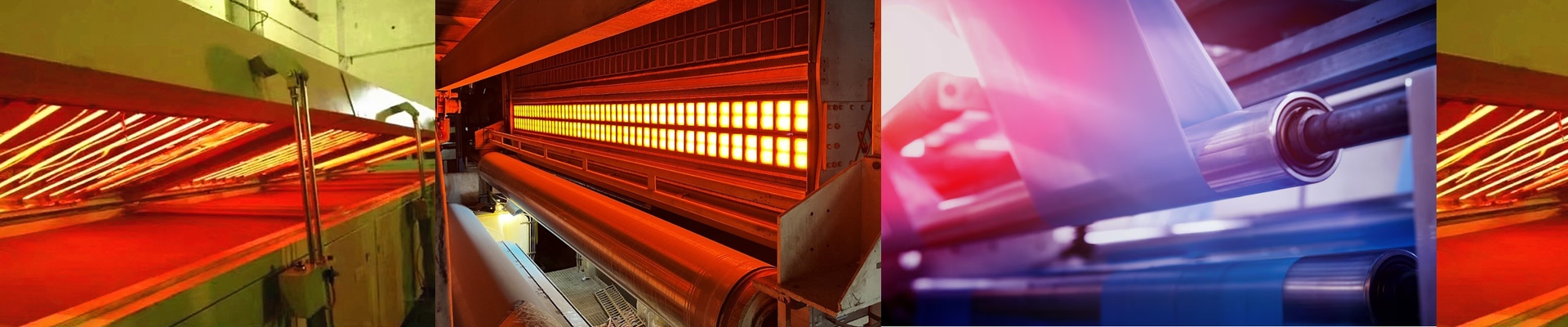
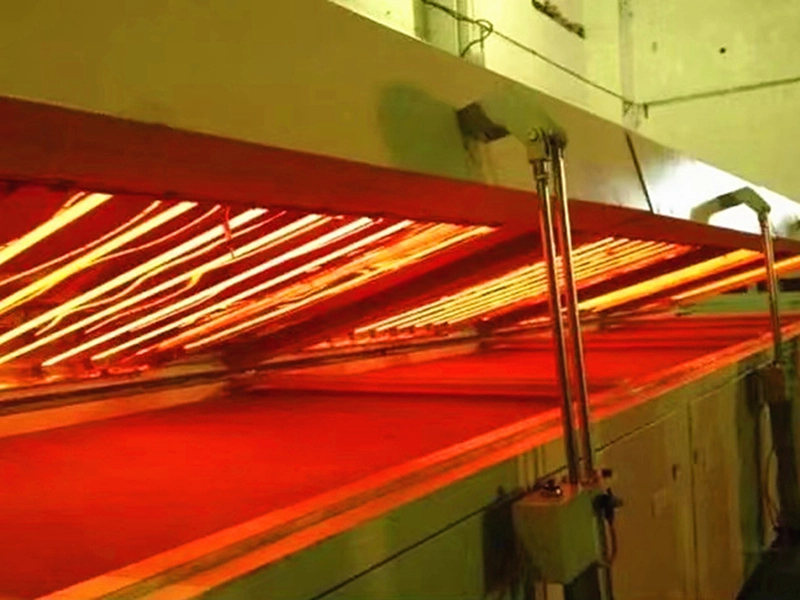
Here is the thing about IR lamps: if the light doesn’t “match” the dye, you’re basically just paying to heat up the air in your factory. Think of it like a lock and a key. When the lamp’s emission peak hits the exact right spot for your fabric’s dye, the energy doesn’t just sit on the surface. It sinks deep into the core of the material. That’s how you get a perfect cure without spending a fortune on electricity. Why some fabrics stay damp We’ve all seen it happen. You’ve got a production line moving, but the fabric comes out of the oven feeling damp or looking under-cured. It’s a total bottleneck. Usually, it’s because the lamp and the dye aren’t speaking the same language. If you’re using a medium-wave lamp on a dye that only likes short-wave radiation, most of that heat just bounces off. Simple. But when you use a lamp tailored to the chemical signature of your dye, the fabric drinks up the energy. You can actually speed up your line—dropping the time the fabric spends in the oven—and the colors still stay locked in. The balancing act Now, you might think, “Why not just crank up the wattage?” Sure, high-output tubes get the job done fast, but they put a lot of stress on your power grid. Plus, there’s the heat buildup. If your ventilation can’t keep up with a high-power array, you’ll end up with scorched fabric or weird, splotchy drying patterns. It’s all about finding that sweet spot. Keeping things running We made these lamps easy to swap. They’re drop-in replacements for your existing frames with standard connectors, so you aren’t spending your afternoon rewiring the whole rack. One quick tip: keep the quartz envelopes clean. It sounds small, but dust and lint are killers. They shift the spectrum and create “hot spots” that burn out your filaments way too early. A quick clean keeps your absorption steady and your lamps lasting longer.