Stop Chasing Burnt-Out Lamps: A Better Way to Handle IR Curing
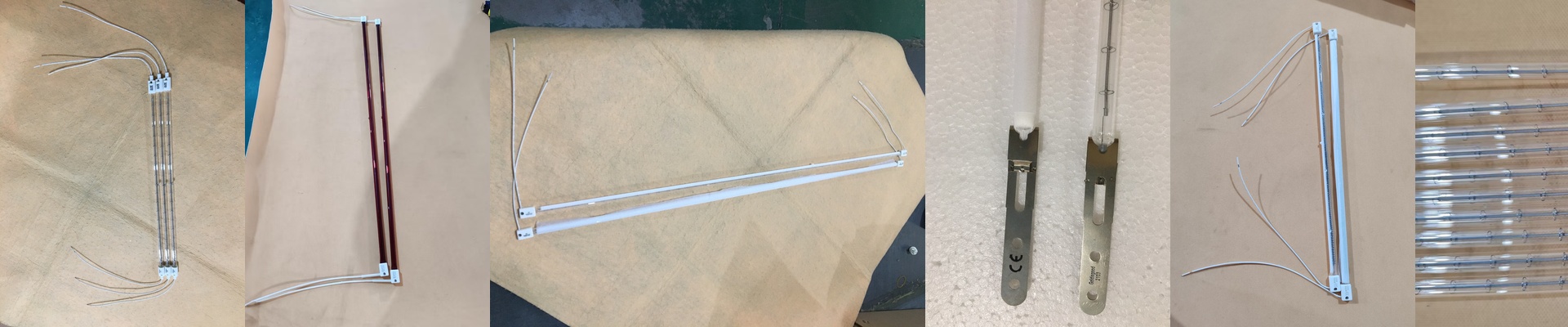
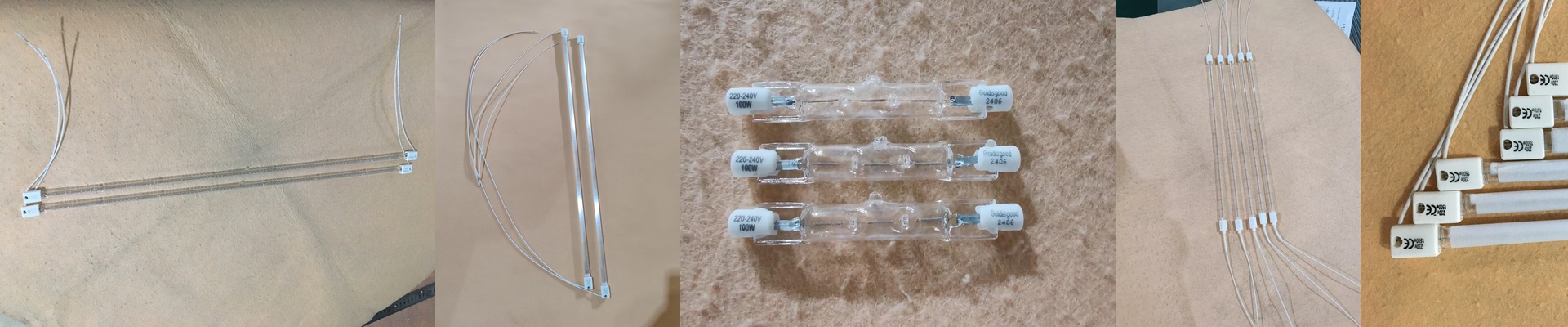
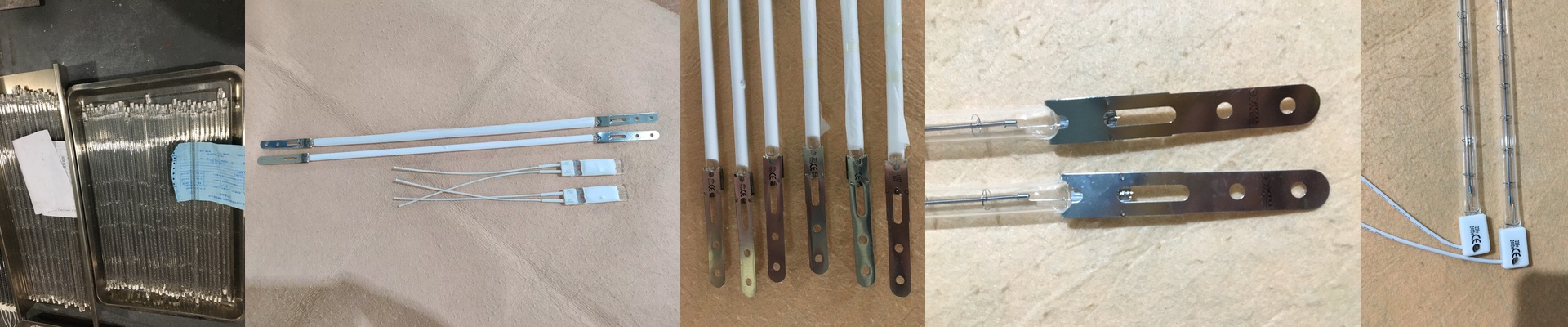
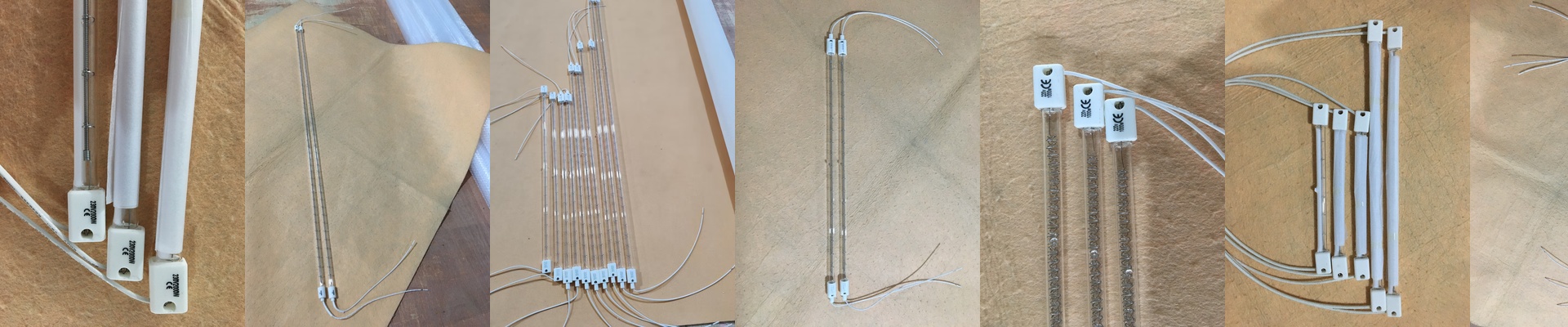
If you’re running a high-volume powder coating line, you know the headache. One of those lamps pops, the line slows down, and suddenly your day is spent swapping hardware instead of shipping product. I see a lot of shops sticking with cheap imports because they’re worried about the cost of domestic parts. But honestly? The math doesn’t add up. When you factor in the hours spent on maintenance and the cost of downtime, those “cheap” lamps are actually costing you a fortune. Switching to high-grade domestic halogen tubes can save you a massive amount of money over a year. How these things actually work Standard IR lamps eventually die because the tungsten filament evaporates. It creates those ugly dark spots on the quartz, and your heat output just tanks. We use a halogen cycle to stop that from happening. Basically, the halogen gas grabs that evaporated tungsten and pushes it right back onto the filament. It keeps the tube clear. It keeps the heat steady. And it keeps the lamp running for thousands of hours without you having to touch it. Getting the specs right Here is the thing: you’re always balancing how much heat you need against how long you want the lamp to last. If you’re pushing a 2000W+ setup, you’ve got to be careful with your wiring. Whether you’re using R7s or Sk15 connectors, they need to be rated for the current. If the contact at the terminal is loose or poor, you’ll get arcing. That burns out the end-cap way before the filament even has a chance to wear out. It’s a frustrating way to kill a perfectly good lamp. A few things to keep in mind The good news is these are drop-in replacements. They hit their temperature immediately, which is exactly what you need when your line speed is cranked up. But wait—there’s a catch. If you increase your heat density, your oven’s exhaust has to keep up. If your cooling fans aren’t up to the task, you’re just baking the rest of your equipment. I’ve seen people warp their conveyor tracks because they forgot about the ambient load. At the end of the day, it’s about the raw numbers. Fewer replacements and steady heat. That’s how you actually lower your overhead without breaking a sweat.