Getting the Heat Right in Metal Coating
Most people think powder coating is just about hitting a certain temperature and calling it a day. But if you’ve ever dealt with “orange peel” or a finish that feels tacky because it didn’t cure, you know it’s more complicated than that. It’s all about how the heat actually hits the metal.
The Truth About Heat Density
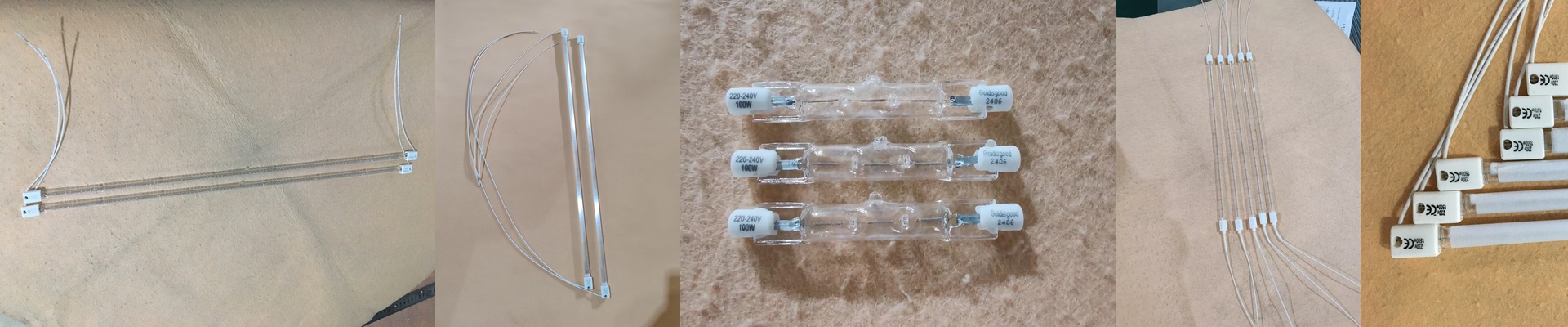
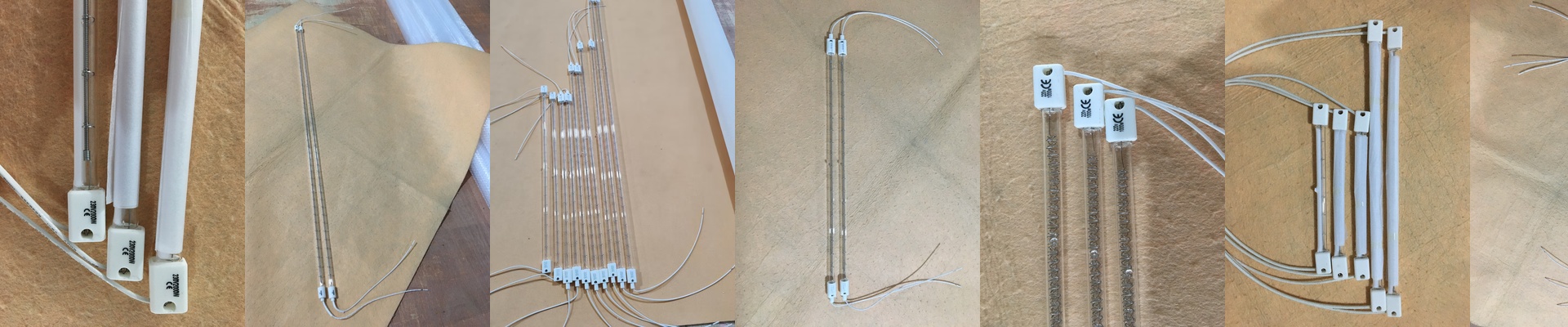
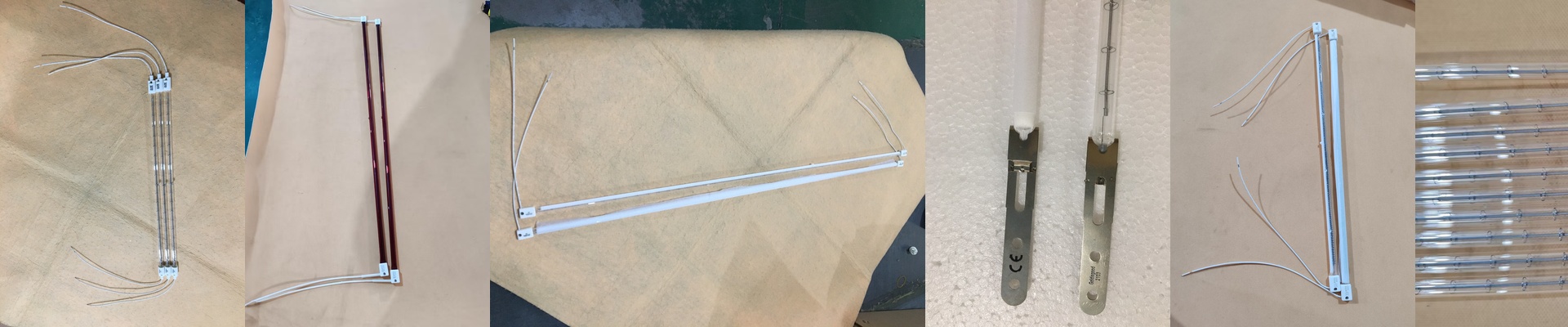
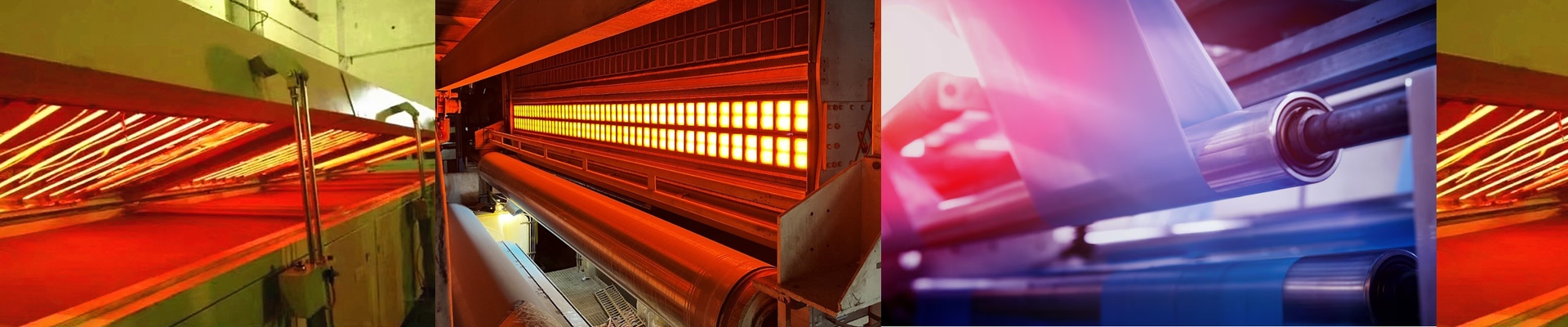
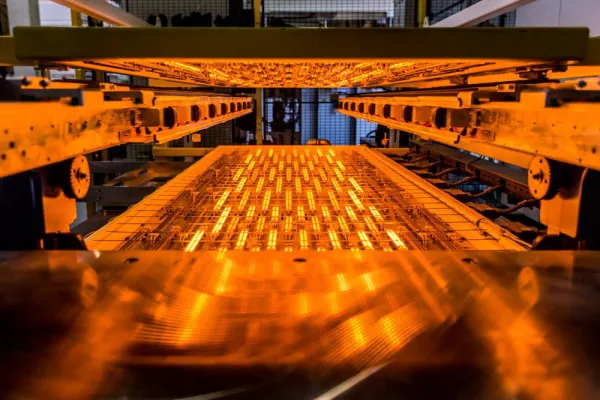
If your heater has cold spots, you’re going to have problems. Simple as that. We spend a lot of time obsessing over the wattage-per-linear-inch. When we set up a high-density infrared array, it’s a balancing act. You can’t just cram a ton of watts into a short quartz tube—do that, and you’ll burn it out before the week is over. We calibrate everything so the heat spreads evenly across the whole part. No “hot centers,” no weird patches. Just a clean, consistent bake.
The Nitty-Gritty Hardware
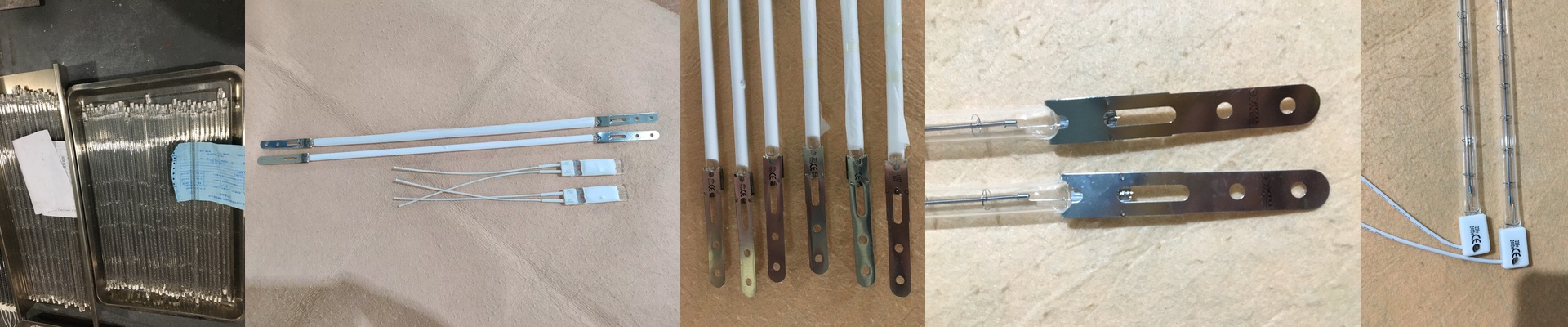
We don’t cut corners on the materials. We use high-purity quartz and specific alloys because they can handle the shock of heating up and cooling down rapidly without cracking. Then there are the connectors. Whether you need a standard R7s or a heavy-duty SK15 usually comes down to how much your equipment shakes and how much current you’re pulling. A loose connection is a nightmare—it leads to arcing and melted sockets. Plus, we use reinforced seals to keep the grime of a busy shop floor from getting inside the elements.
Making it Work in Your Shop
Here’s the thing: you can’t just toss a high-output heater into an old oven and expect magic to happen. These arrays put out a massive amount of ambient heat. If your ventilation can’t pull that hot air out fast enough, your control boards will overheat and trip. It’s frustrating and kills your productivity. We build these things to run 24/7, but they only last if your voltage is stable. Pair them with a decent PID controller to keep your temperature within a tight ±2°C window. That’s how you stop throwing scrap in the bin and actually start hitting your specs.