Shortwave, Mediumwave, or Twin-Tube? Let’s get your metal curing right.
If you pick the wrong IR lamp for your powder coating line, you’re going to have a bad day. You’ll end up with uneven curing, wasted electricity, or—worst of all—parts that you have to strip and redo. The trick is matching the wavelength to how thick your coating is and what kind of metal you’re working with.
The deal with wavelength and heat
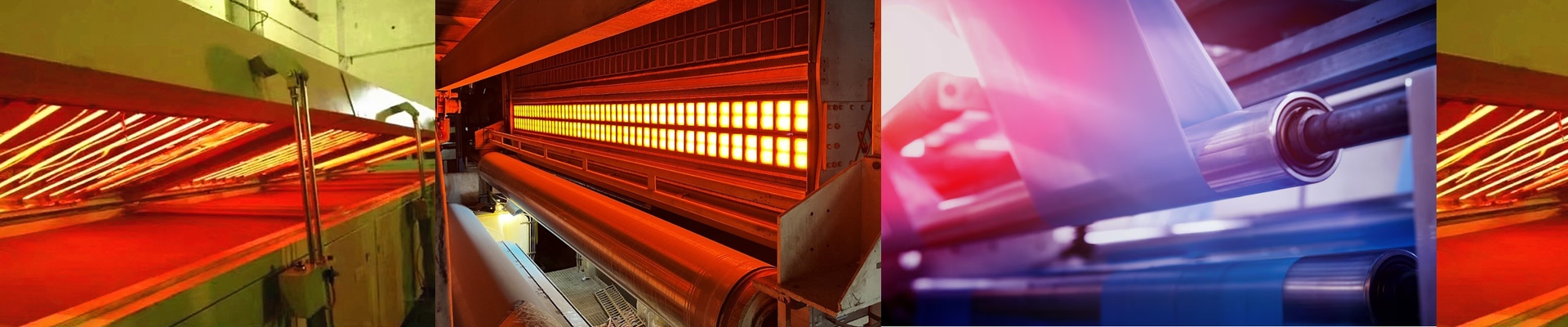
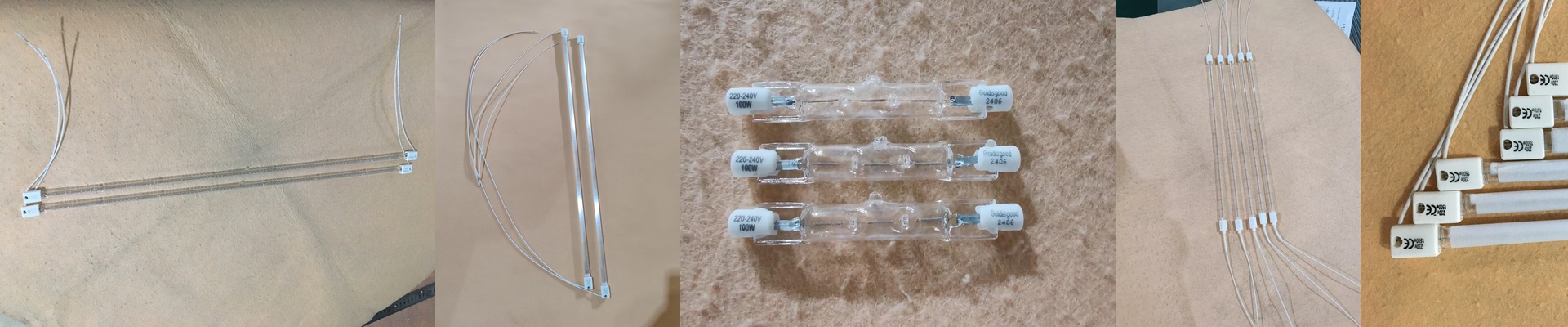
Shortwave IR is like a sprint. It hits the surface hard and fast. Because it has high energy but doesn’t dive deep, it’s great for thin coatings or those quick flash-off stages where you need an instant reaction. But be careful. If you’re curing a heavy-duty powder coat on thick steel, shortwave can be too aggressive. You might actually scorch the top layer before the bottom even gets warm. That’s where mediumwave comes in. It’s more of a marathon. It sinks deeper into the coating, which means the bond between the powder and the metal is solid all the way through. It takes a bit longer to get up to temp, but the heat spreads much more evenly across the part.
Why consider Twin-Tube?
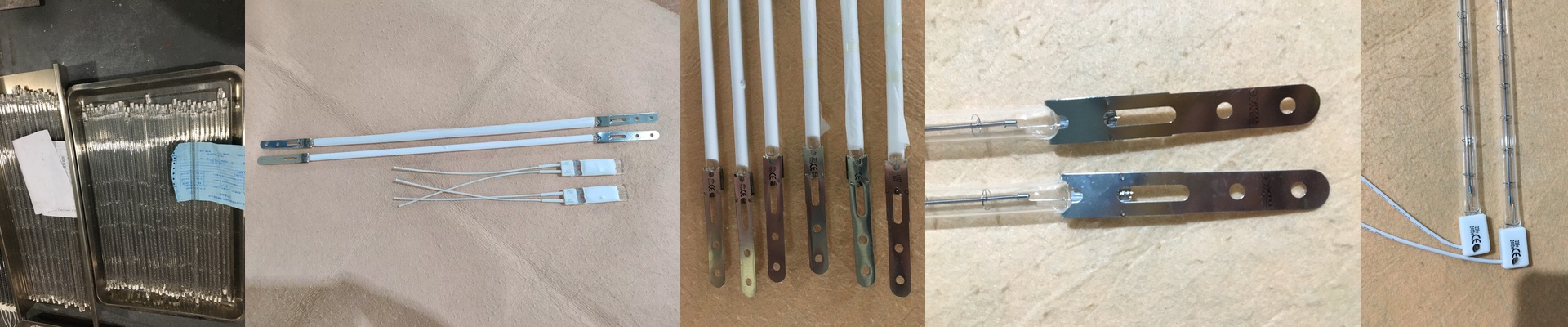
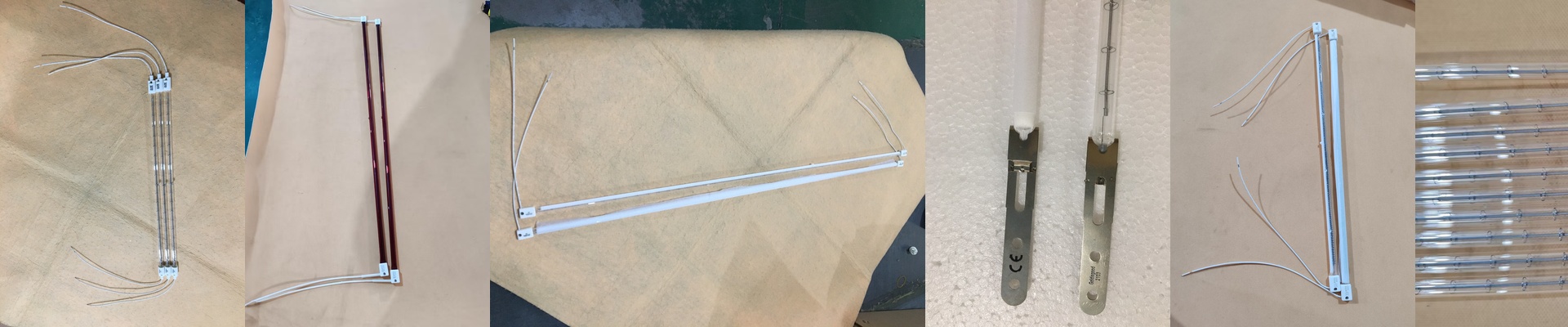
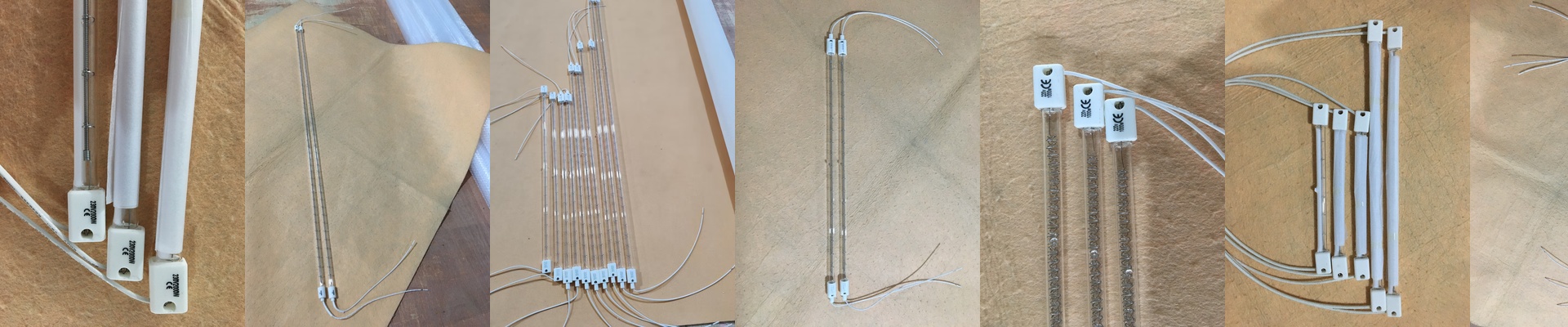
Ever see those annoying “stripes” on a finished part? Those cold spots between lamps are a nightmare. Twin-tube lamps fix this by doubling the emitting surface without taking up more room. By pairing two filaments, you get a wider spread of heat. It basically fills in the gaps, so you don’t have to worry about curing failures in the “dead zones.”
The trade-offs you should know about
Sure, higher power density means you can push your cycles faster. But there’s a catch. If you go with a high-wattage shortwave setup, your reflectors have to be perfect. Even a tiny misalignment creates hot spots that can burn right through your coating. Plus, these lamps are power-hungry. Just double-check that your wiring can handle the peak current when you first flip the switch, or you’ll be dealing with more than just coating issues. For most of us, a mediumwave or twin-tube setup is the safest bet for reliable results. Use shortwave when speed is the only thing that matters, and mediumwave when the quality of the finish is the priority. It all comes down to how thick your parts are and how fast you need them out the door.