Stop Treating Your Heaters Like Disposable Trash
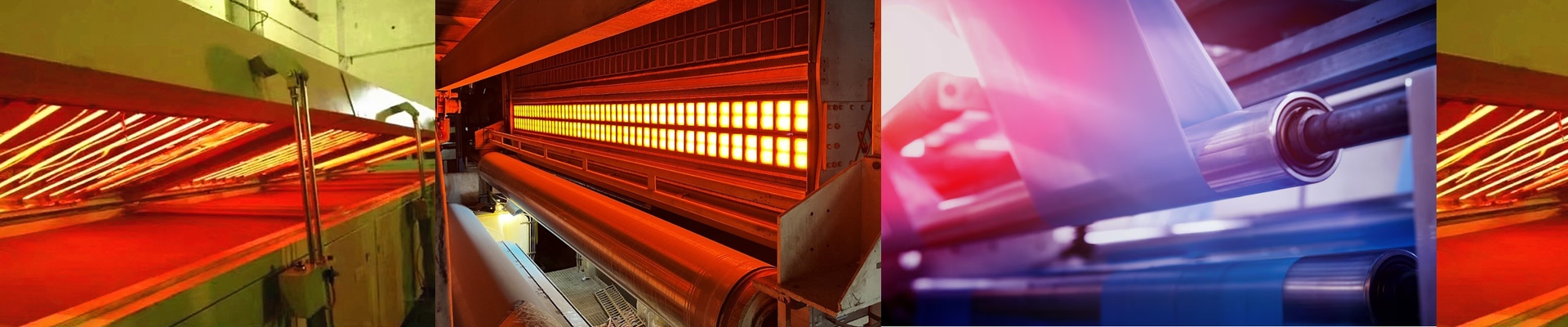
Let’s be honest: most powder coating shops treat their heating elements like lightbulbs in a cheap lamp. They just swap them out every few months when they burn out, shrug their shoulders, and call it the cost of doing business. But that cycle is a nightmare. It’s a waste of money, a waste of material, and it kills your uptime right when you’re in the middle of a big run. If you actually want to hit zero-waste goals, you have to stop buying the cheap, short-cycle tubes and start using hardware that’s actually built to last.
The secret to a lamp that doesn’t quit
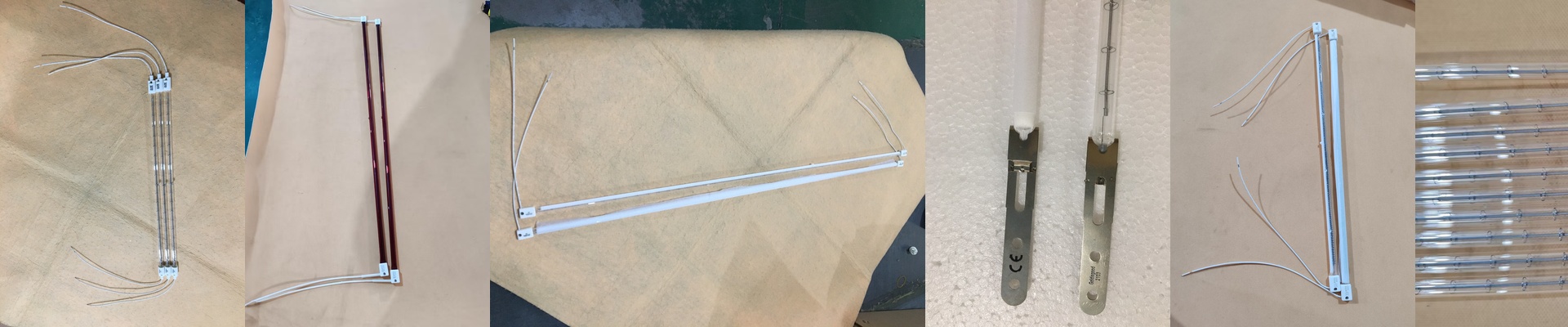
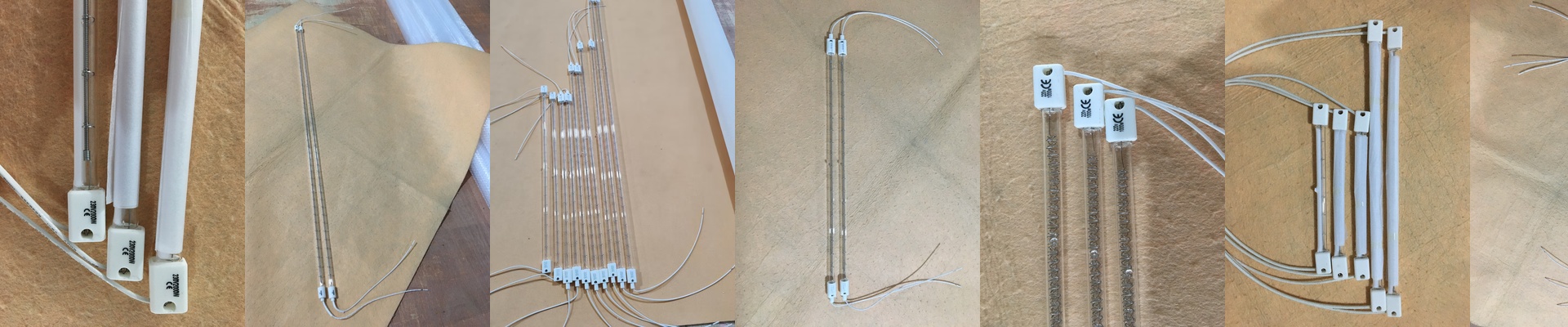
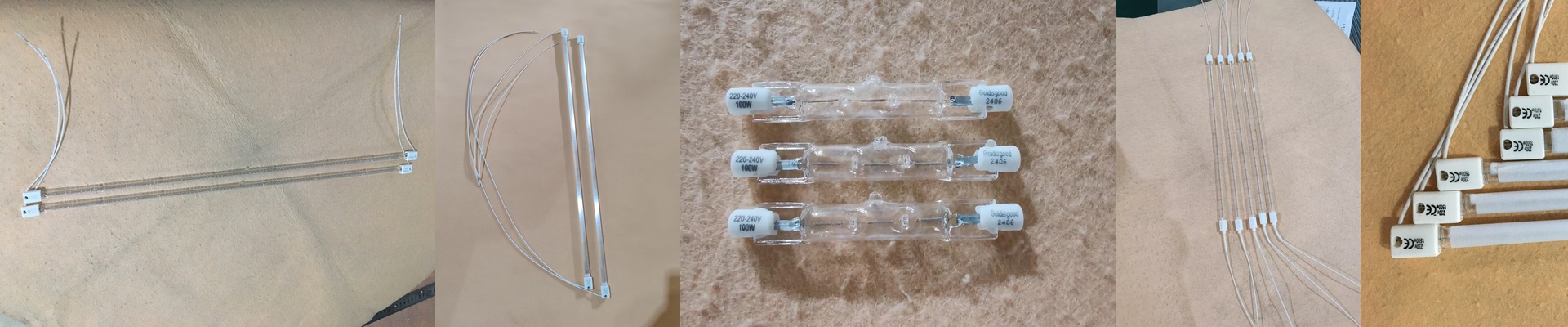
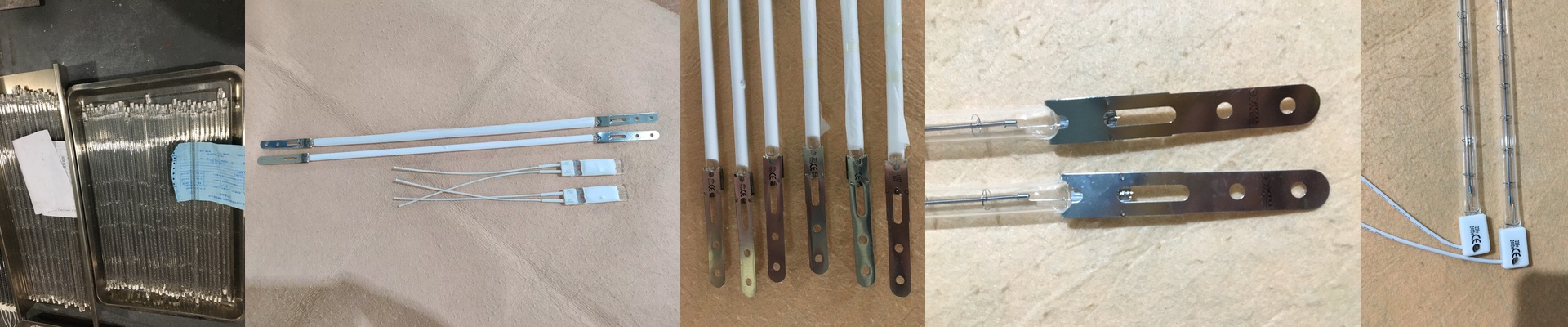
We build our heaters to survive the brutal heat cycles of powder curing. Most lamps fail because the filament just gives up. We handle that by tweaking the quartz envelope thickness and using high-purity halogen gas. It sounds technical, but all it really means is that the tungsten doesn’t evaporate nearly as fast. Your lamp stays clear. It doesn’t darken or lose its punch over time. And because the heat is spread evenly across the whole tube, you don’t get those annoying “cold spots.” When you have cold spots, the temptation is to just crank up the voltage to compensate.That’s a death sentence for your heater.
It’s all in the connections
A great filament is only half the battle. Most of the time, the failure happens at the connection points. Metal expands and contracts when it gets hot. If your connectors are flimsy, they loosen up. Then you get arcing. And arcing? That’ll eat through the ends of your lamp in no time. We use reinforced terminals to make sure everything stays tight, no matter how hot it gets. Plus, we use heavy-duty quartz glass. Coating booths are dirty, chemical-heavy places. You need glass that can take a beating without degrading.
One catch: You can’t just “flip a switch”
Here’s the thing. These high-spec heaters are a bit more sensitive to how you power them. If you’re just using a basic on/off switch, you’re shocking the materials every time you start the line. You’ll stress the glass and the filament until they eventually pop. To get the real lifespan out of these, you need a PID controller or a thyristor. It lets the power ramp up smoothly. It’s a small change in how you run things, but it makes a massive difference. When you invest in better heaters, you stop worrying about shipping costs for replacements or hauling dead tubes to the landfill. Your line stays hot, and you can actually focus on the work.