Stop Your IR Lamps From Sagging and Burning Out
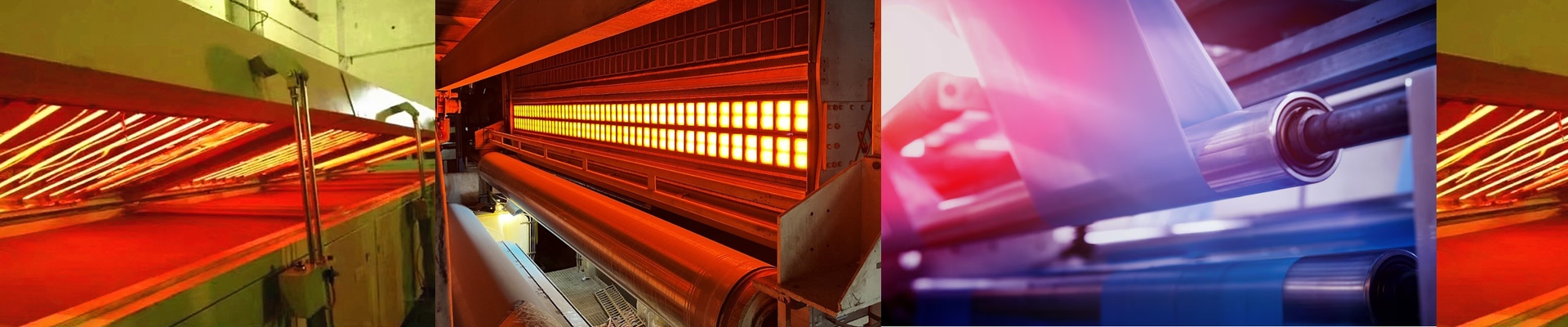
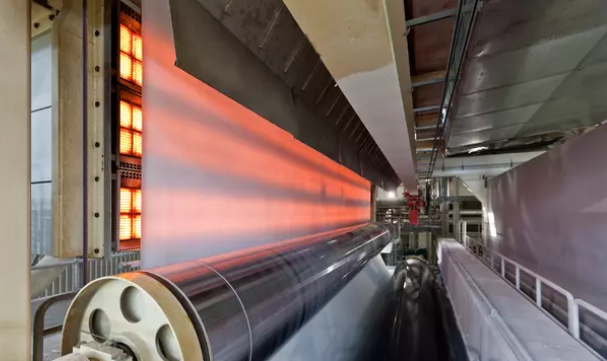
If you’re running textile drying or curing lines, you know the drill. Everything is about speed and tight cycles. Your infrared lamps aren’t just sitting there glowing—they’re pulsing. On and off. Hot and cold. Over and over. That constant pulsing is a nightmare for the filament supports. The metal expands and shrinks every single time, and eventually, it just gets tired. When those supports give up or warp, the filament sags. That’s when things go south. You start seeing hot spots, your heating gets patchy, and before you know it, you’ve got a burnt-out tube and a line that’s stopped moving.
Dealing with Thermal Fatigue
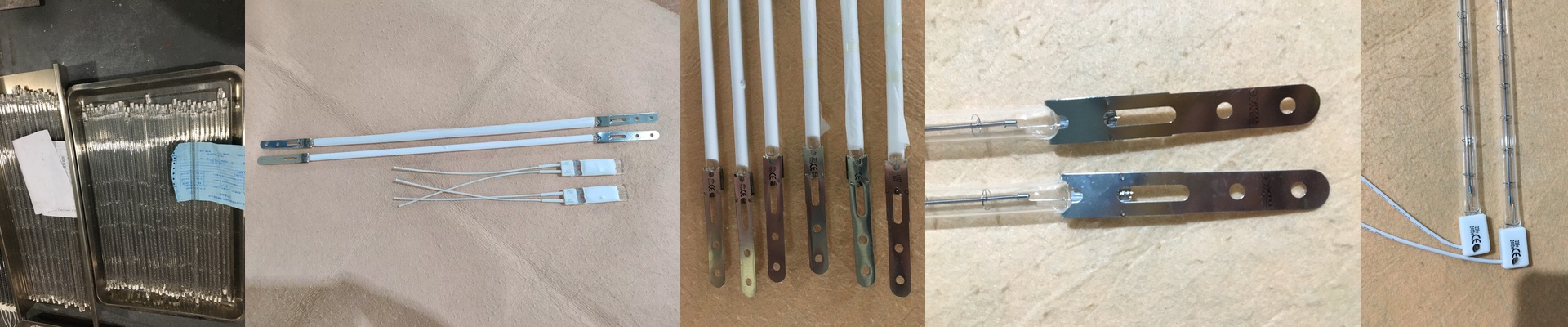
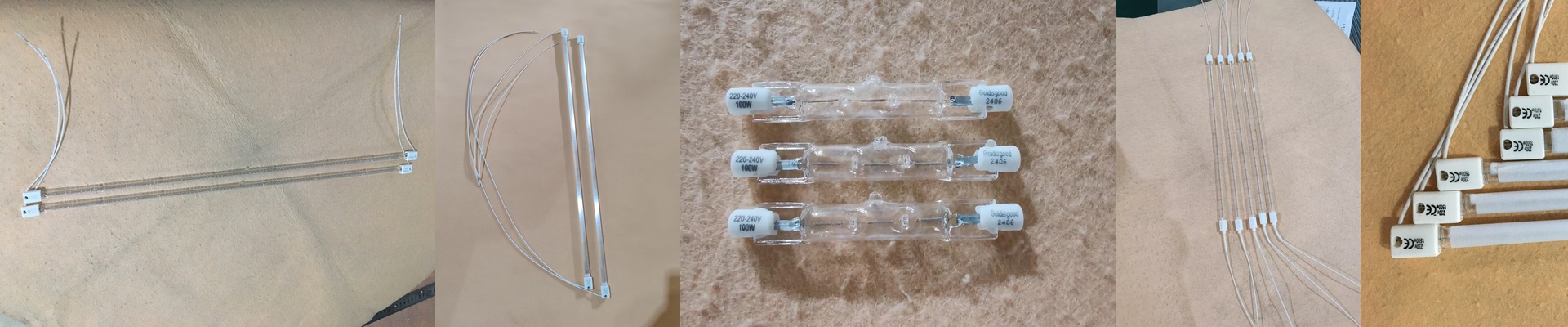
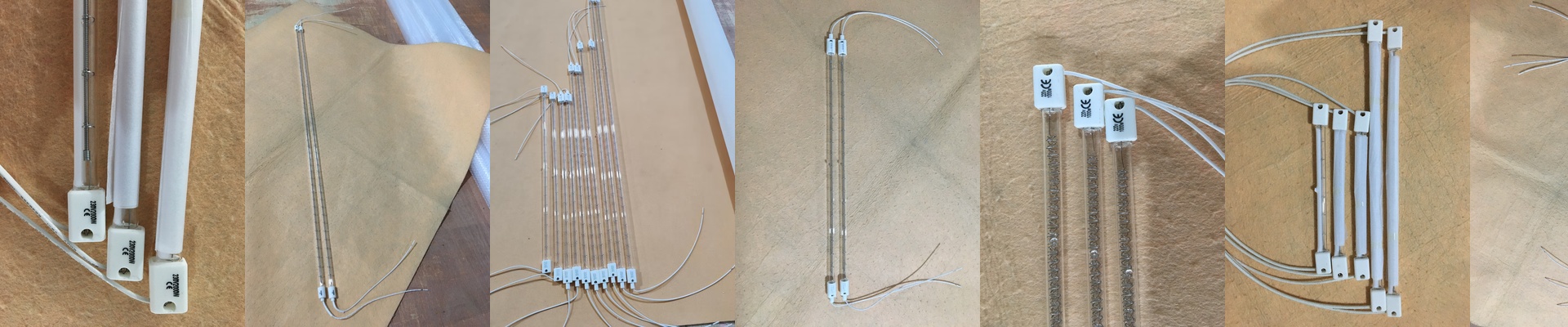
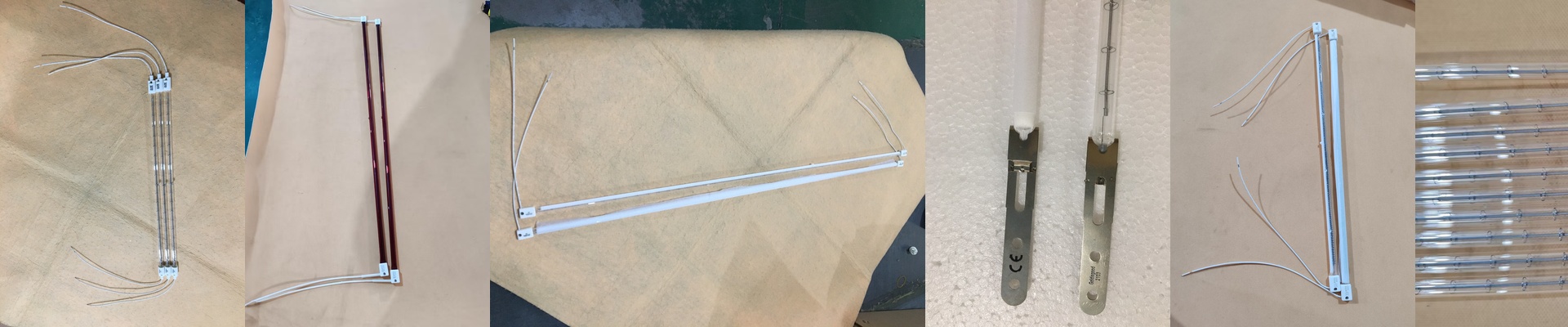
We spend a lot of time obsessing over the “fatigue limit” of those supports. After tens of thousands of cycles, most materials just quit. To fix this, we use specific alloys that expand and contract at the same rate as the quartz glass. It stops the support from “fighting” the tube. They move together. We don’t just guess if it works, either. We put these tubes through the ringer—20,000+ on/off cycles—just to make sure that filament stays dead center. Because if it isn’t centered, your heat footprint is a mess, and your fabric pays the price.
The Balancing Act
Now, you might think, “Why not just throw in more supports to keep the filament straight?” Here’s the catch: supports block the light. Too many of them and you start getting “shadows” on your fabric. It’s a trade-off. We’ve spent a lot of time finding that sweet spot where the filament stays put, but the heat still hits the fabric full-force. One more thing—check your mounting brackets. If your machine frame is vibrating or flexing, it puts a lot of extra pressure on the quartz. It forces those internal supports to do work they weren’t designed for. Keep it rigid.
A Quick Tip for Installation
When you’re swapping these into your line, please—don’t over-tighten the clamps. It’s tempting to crank them down, but over-compressing the ends of the tube creates a massive stress point. When you add the heat cycles we talked about, that’s exactly where the tube is going to snap. Just give the quartz a little room to breathe. Your equipment (and your sanity) will thank you.