Stop Guessing Your Lamp Layout: Why We Use Digital Twins for Stenters
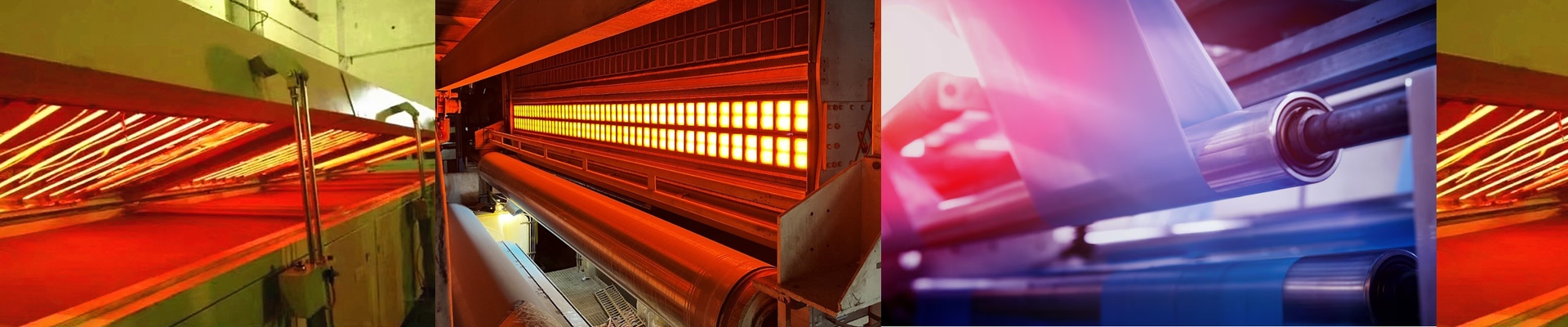
Setting up a massive fabric stenter isn’t as simple as just hanging some lamps and flipping a switch. If your layout is even slightly off, you end up with cold spots. And cold spots mean uneven shrinkage and ruined fabric. It’s a nightmare. That’s why we use digital twin technology. Basically, we map out the entire thermal footprint in a virtual world before a single wire is actually connected.
The nitty-gritty of lamp layout
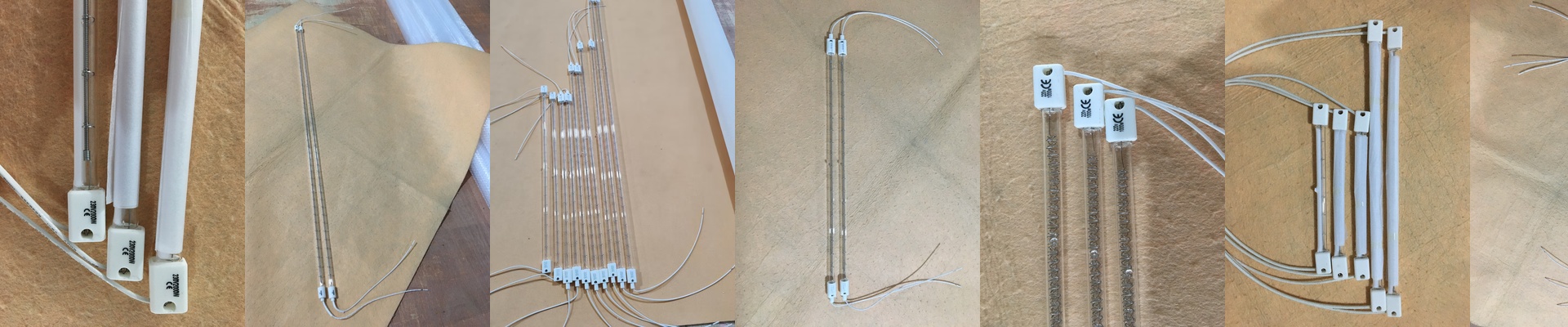
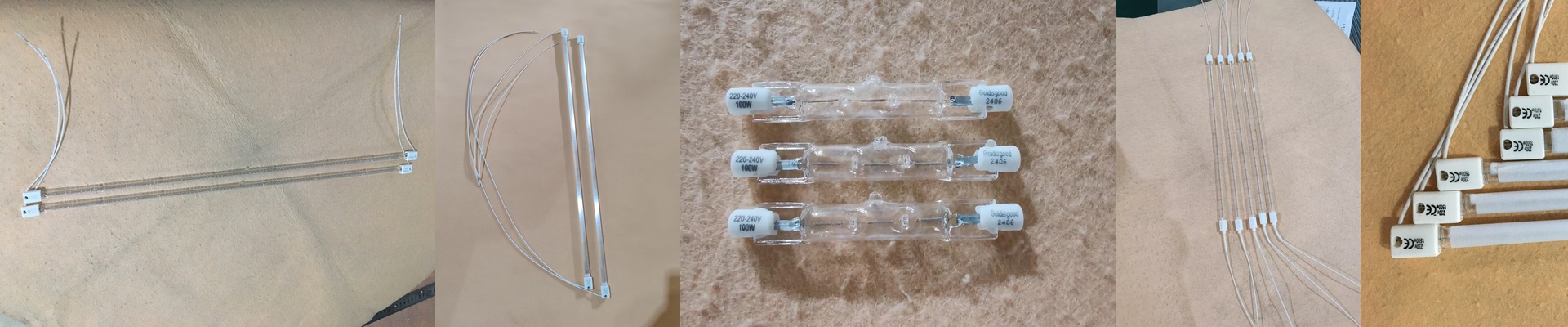
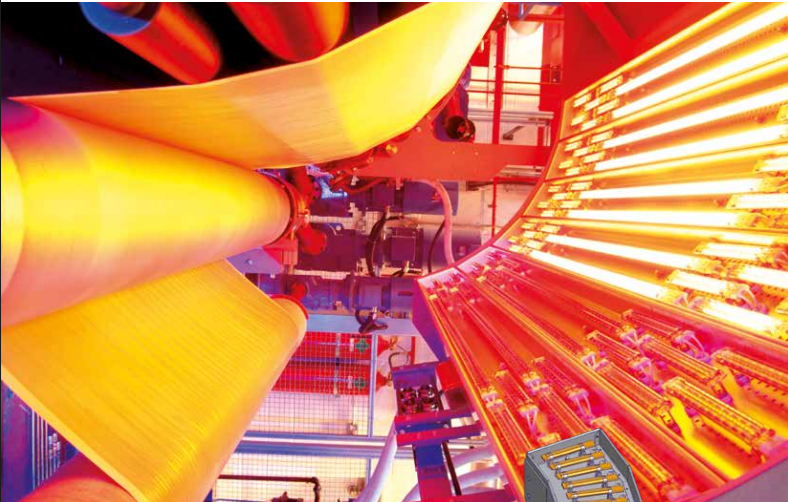
IR lamps have to hit very specific wattage and voltage targets to get the temperature just right. But the real trick is the overlap. If the lamps are too close? You’ll scorch the fabric. Too far apart? The center of the web never hits the temperature it needs to set. We use algorithms to nail down the exact angle and height of every single tube. We want that IR radiation hitting the fabric at the perfect angle. It’s not just about quality—it saves a ton of energy, too.
No more “trial and error” on the floor
Trying to tune a stenter manually on the shop floor is mostly just guessing. You run a sample, check the temp, nudge a lamp, and do it all over again. It can take days of frustration. With a digital twin, we build the whole bank virtually. We can throw different fabric weights and speeds at it to see exactly how the heat sinks into the material. It’s much cleaner.
The reality check
Now, look—simulation gets you about 95% of the way there. It’s not magic. You still have to deal with real-world chaos, like airflow turbulence from the fans or voltage drops across long cables. Plus, your physical install has to match the digital coordinates exactly. If you’re off by an inch, the simulation doesn’t mean a thing. But when it works? It cuts commissioning time way down. You stop guessing and actually start measuring.